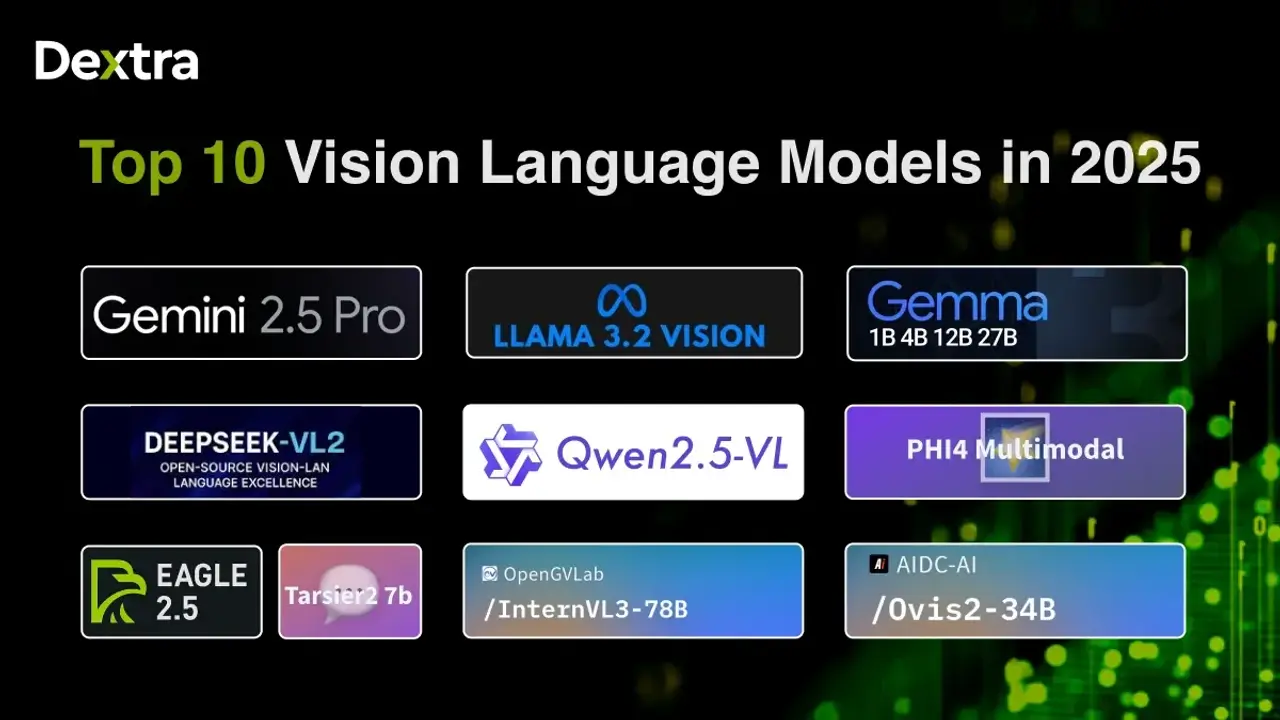
The most important AI capability of 2026 isn’t better text generation. It’s multimodality—models that seamlessly process and generate text, images, audio, video, and code within a single system. GPT-4o, Gemini 2.0, and Claude’s vision capabilities have crossed a threshold where AI doesn’t just understand language. It understands the world through multiple senses simultaneously.
Why Multimodality Changes Everything
Humans don’t experience the world as text. We see, hear, read, and touch simultaneously. A doctor doesn’t diagnose from text alone—they look at X-rays, listen to patient descriptions, read lab reports, and observe physical symptoms. Until AI could process all these modalities together, it was fundamentally limited to a fraction of real-world problems.
Multimodal AI can now: analyze a photo of a skin lesion and explain the diagnosis in plain language. Watch a video of a manufacturing process and identify quality defects. Listen to a customer service call and generate a structured summary with action items. Read architectural blueprints and estimate construction costs. Each of these was impossible for text-only models.
The Technical Breakthrough
Early multimodal systems stitched separate models together—a vision model fed outputs to a language model. This pipeline approach was slow, lossy, and fragile. Modern multimodal models are natively trained on mixed data: text, images, and audio are processed by the same transformer architecture, enabling genuine cross-modal reasoning.
Google’s Gemini was first to market with native multimodality. OpenAI followed with GPT-4o’s unified architecture. By 2026, every frontier model is multimodal by default. Text-only models are legacy technology.
Applications Exploding
- Healthcare. Radiologists use multimodal AI that reads the scan, reviews patient history, and cross-references medical literature simultaneously to suggest diagnoses.
- Education. AI tutors that watch students solve problems on a whiteboard, hear their verbal reasoning, and provide real-time feedback across modalities.
- Manufacturing. Quality inspection systems that combine camera feeds with sensor data and production logs to predict defects before they occur.
- Creative work. Designers describe a concept in words; the AI generates images, iterates based on verbal feedback, and produces production-ready assets.
The Remaining Gap
Current multimodal models still struggle with temporal reasoning in video (understanding sequences of events), precise spatial reasoning (measuring distances in images), and generating high-fidelity audio or video. These gaps are narrowing rapidly, but they define the boundary between what multimodal AI can and cannot reliably do today.